
 RMAi-Certified Debt Buyer

Source: site
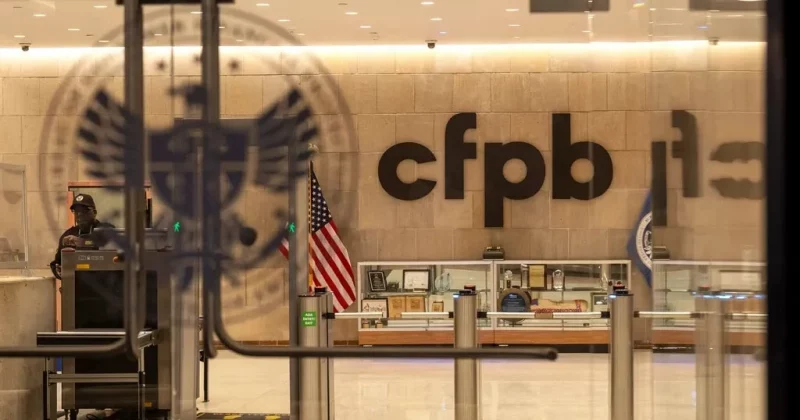
The Consumer Financial Protection Bureau (CFPB) has ordered all staff to return to its Washington, D.C. headquarters, marking one of the clearest signals yet that the Trump administration is reasserting centralized control over the agency as part of a broader restructuring of federal financial oversight.
According to internal communications reviewed by multiple outlets, CFPB leadership directed employees to end remote work arrangements and resume full-time, in-office operations in the nation’s capital. The move comes amid a series of leadership and policy shifts that have reshaped the Bureau’s priorities since the start of President Trump’s second term.
Centralization and Control
The return-to-office mandate is being widely interpreted within industry and policy circles as more than an operational decision. Instead, it reflects a strategic effort to consolidate authority within senior leadership and align staff more closely with the administration’s regulatory agenda.
Since early 2025, the CFPB has undergone notable changes, including leadership turnover, restructuring of enforcement units, and a recalibration of supervisory priorities. Requiring staff to operate from headquarters allows leadership to more directly oversee policy execution, streamline communication, and potentially limit internal dissent.
For an agency that embraced remote and hybrid work during and after the pandemic, the abrupt shift has raised questions about employee retention and institutional continuity, particularly among experienced enforcement and supervision personnel.
Implications for Enforcement and Supervision
For the credit and collections industry, the operational shift may signal a continued evolution in how the CFPB approaches enforcement and oversight.
While the Bureau has not formally announced a reduction in enforcement activity, observers note a discernible change in tone and focus. Recent actions have emphasized narrower statutory interpretations and a pullback from more expansive readings of unfair, deceptive, or abusive acts or practices (UDAAP).
Bringing staff back to Washington could further reinforce a more centralized and controlled enforcement strategy, potentially resulting in:
-
Greater consistency in supervisory examinations and enforcement decisions.
-
Increased alignment between political leadership and career staff.
-
A slower pace of novel or aggressive enforcement theories.
At the same time, the consolidation may improve internal coordination, allowing the Bureau to act more decisively in priority areas identified by the administration.
Workforce and Morale Concerns
The mandate has sparked concern among CFPB employees, many of whom relocated or structured their work around remote arrangements over the past several years. Industry stakeholders are closely watching whether the policy leads to departures of experienced personnel, which could affect the Bureau’s institutional expertise.
Attrition within enforcement, supervision, or legal divisions could have downstream effects on the agency’s capacity to conduct complex investigations or maintain continuity in long-running matters.
Broader Regulatory Context
The return-to-office order is the latest in a series of moves signaling a shift in the federal government’s approach to consumer financial regulation under the Trump administration. Alongside changes at the CFPB, other financial regulators have also revisited remote work policies and internal structures.
For market participants, the key takeaway is not simply where CFPB staff are located, but how these structural changes may influence regulatory posture. A more centralized Bureau could mean clearer direction from leadership—but also less flexibility and fewer regional or staff-driven initiatives.
What Industry Should Watch
As the CFPB continues to evolve, companies in the credit and collections space should monitor several key developments:
-
Changes in examination procedures and supervisory guidance.
-
Shifts in enforcement priorities or case selection.
-
Staff turnover in key divisions, particularly enforcement and supervision.
-
Any formal rulemaking or policy statements reflecting a revised interpretation of UDAAP or other authorities.
While the long-term impact of the return-to-office mandate remains uncertain, it underscores a broader theme: the CFPB is entering a new phase defined by tighter leadership control and a recalibrated regulatory approach.
For now, industry participants should expect a more centralized, and potentially more predictable, Bureau—but one that remains capable of targeted enforcement in areas aligned with administration priorities.
Upcoming Events
RMAi-Certified Debt Buyer