

 The exchange for the debt economy
Source: site
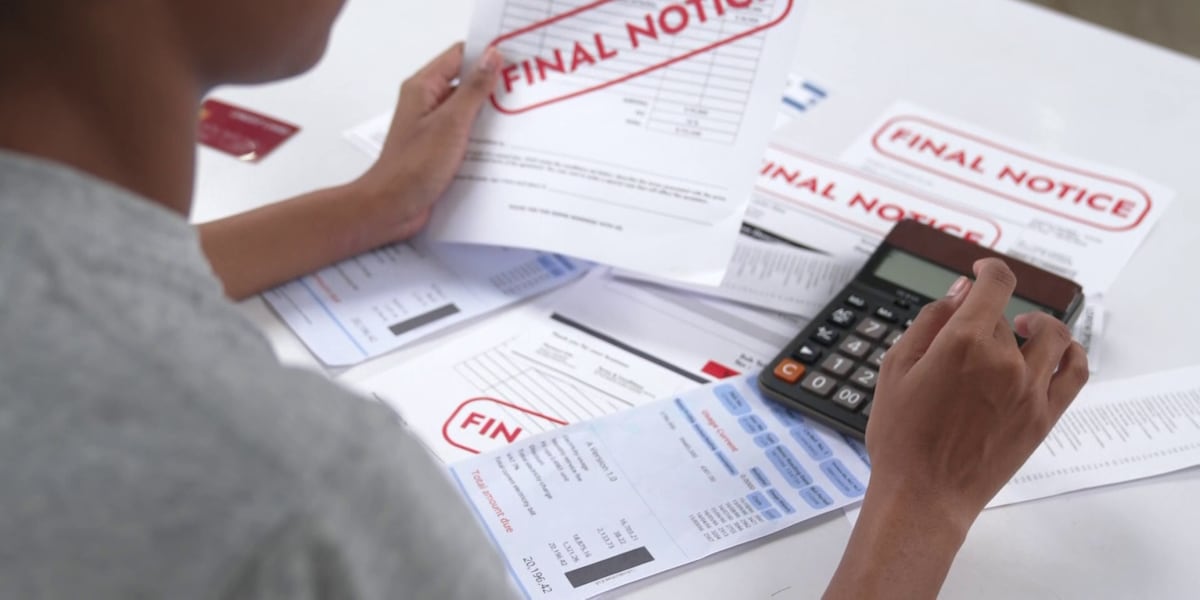
Debt collector complaints in the U.S. have jumped sharply in 2025, reflecting both a heavier household debt load and more aggressive – and sometimes abusive or mistaken – collection activity as more Americans fall behind on their bills. Rising delinquencies on credit cards, medical debt, utilities and some mortgages are feeding more collection calls and disputes.
What is happening
-
The Federal Trade Commission (FTC) received over 112,000 debt collection call complaints in just the first quarter of 2025, about 150% more than the same quarter in 2024.
-
In the second quarter of 2025, the FTC logged more than 140,000 debt collection complaints, up from about 44,000 a year earlier.
-
The Consumer Financial Protection Bureau (CFPB) says it received about 207,800 debt collection complaints in 2024, almost double the roughly 109,900 it got in 2023.
Why complaints are surging
-
Household debt has reached record levels (around 18+ trillion dollars), and credit card balances have climbed above 1.2 trillion dollars, with consumer loan delinquencies at their highest point since around 2012.
-
More Americans are behind on different bills, including utilities and some mortgages, as higher prices, interest rates, and a softer labor market strain budgets.
-
Consumer advocates say some collectors are pushing harder in this environment, while scammers are also posing as collectors, creating a “perfect storm” of both legitimate and fraudulent collection contacts.
What people are complaining about
-
A large share of complaints involve attempts to collect debts that consumers say they do not owe or do not recognize, often linked to errors or identity theft.
-
Other common issues include:
-
Harassing, threatening, or repeated calls.
-
Not getting enough written information to verify the debt, especially with medical bills.
-
Collectors continuing to contact people after they have been told to stop.
-
Who is most affected
-
Americans in their 30s file the largest share of collection call complaints; this group carries a big portion of student loan and other consumer debt.
-
States with especially high complaint volumes include Georgia, Texas, Florida and several others where overall delinquencies and collection activity are elevated.
Practical takeaways if you’re getting calls
-
Verify the caller: Ask for the company’s name, mailing address, and written validation of the debt; do not share bank details until the debt is confirmed.
-
Know your rights: U.S. law restricts harassment, false threats, and calls at inconvenient times, and gives you the right to dispute a debt and demand written information.
-
Get help early: Nonprofit credit counselors and legal aid groups can negotiate with creditors or help challenge invalid or abusive collection efforts.
Upcoming Events
 The exchange for the debt economy