
 The exchange for the debt economy

Source: site
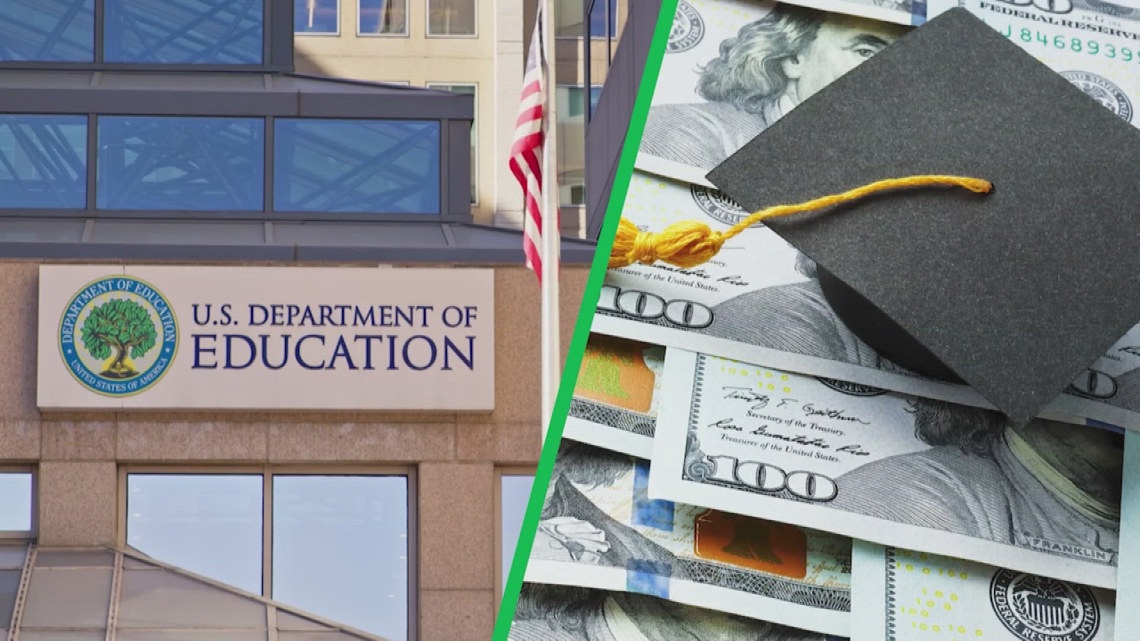
The Department of Education paused involuntary collection giving struggling borrowers a critical window to find a repayment plan before wages garnished.
CLEVELAND — If you’re behind on federal student loan payments, there’s an important window of time opening up — and financial experts say how you use it could make a significant difference in your financial future.
The Department of Education had been preparing to resume collections on defaulted federal student loans for the first time since 2020. That process can include ordering employers to withhold up to 15% of a borrower’s disposable income to repay a defaulted loan — a prospect that has caused real anxiety for millions of Americans already stretched thin.
For borrowers like Pablo Pratt, the pressure is personal. Pratt owes more than $140,000 in student loans and says his family has already cut expenses significantly just to keep up — and even with those sacrifices, meeting the minimum payment requirement remains out of reach.
Now, at least temporarily, there is some relief. The Department of Education is delaying involuntary collection actions while it rolls out major repayment reform, giving borrowers more time to understand their options and explore new repayment plans before the government begins intercepting paychecks.
Consumer Reports says the single most important step any struggling borrower can take right now is to contact their loan servicer — the company that manages their loans. Loan servicers can walk borrowers through available options, identify programs they may qualify for, and help map out a more manageable repayment path. That guidance is free.
For loans already in default, there are two primary routes back to good standing. Loan rehabilitation involves making a set number of monthly payments to bring the loan out of default. Loan consolidation combines defaulted loans into a single new loan that is immediately back in good standing, though it may cost more over the life of the loan.
It’s also worth knowing that once a loan enters default, it is reported to credit agencies — potentially damaging a borrower’s credit score and long-term financial standing. Addressing the situation sooner rather than later can help limit that damage.
One final caution: the Department of Education warns that if any company contacts you asking for “enrollment,” “subscription,” or “maintenance” fees to help you get out of default, walk away. Your loan servicer will help you navigate the process at no cost.
Upcoming Events
 The exchange for the debt economy