

 RMAi-Certified Debt Buyer
Source: site
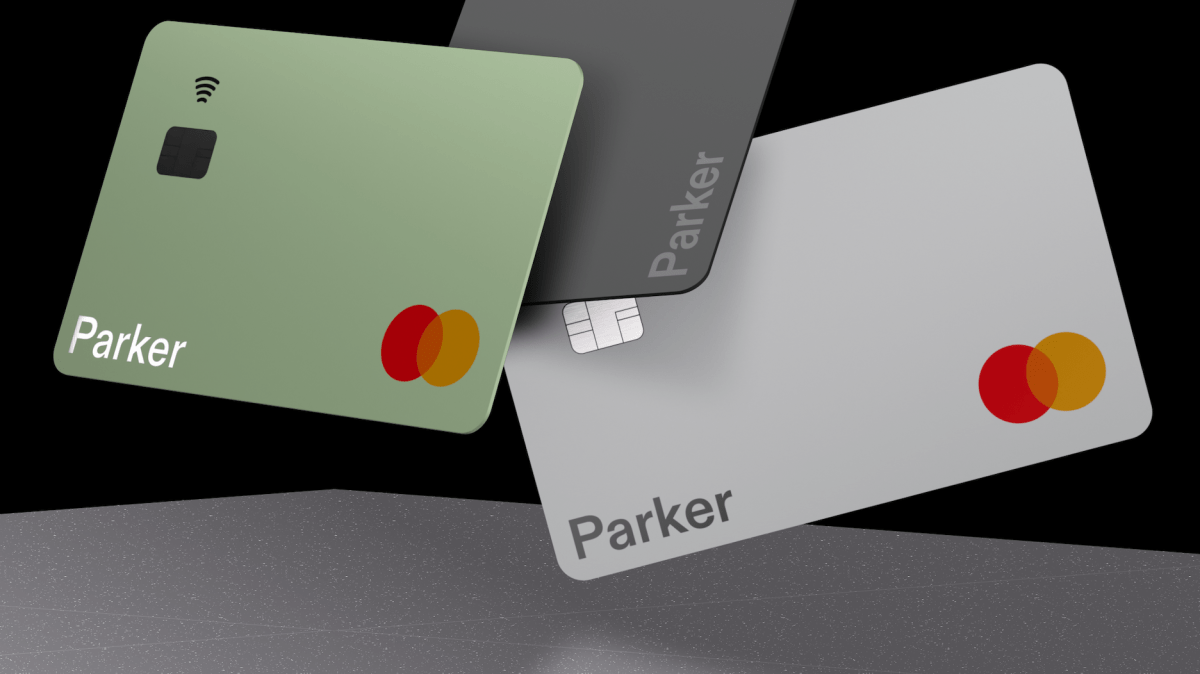
Parker, a Y Combinator–backed SMB/e‑commerce banking and corporate card fintech, abruptly shut down and filed for Chapter 7 liquidation on May 7, with $50–100M in both assets and liabilities and roughly 100–200 creditors.
What Parker was
-
Parker offered a corporate charge card, treasury/banking accounts, and bill pay targeted at e‑commerce-focused small businesses.
-
It went through YC’s Winter 2019 batch and raised “over $200M” in total capital, including a $125M asset‑backed lending facility to fund card receivables, with Valar Ventures leading its Series A.
The bankruptcy filing
-
Parker filed for Chapter 7 (liquidation) bankruptcy on May 7, indicating it does not plan to reorganize but to wind down and liquidate assets.
-
The petition reports between $50M and $100M of assets and the same range of liabilities, and lists between 100 and 200 creditors.
What triggered the collapse
-
Multiple reports indicate Parker had been in late‑stage talks to be acquired in a deal reportedly approaching $90M, but the buyer walked away at the last minute.
-
Fintech Business Weekly reports the likely acquirer was Avalara; after the deal fell apart, card partner Patriot Bank effectively terminated the program, which helped precipitate the shutdown despite Parker still having some runway.
-
A cofounder publicly described it as going from expecting a near‑$90M acquisition three weeks earlier to filing Chapter 7 “yesterday.”
Impact on customers and partners
-
The shutdown was abrupt: Parker’s website remained live and still promoted the “over $200M” raise even as bankruptcy reports surfaced, while Patriot Bank notified customers that the credit card program was ending.
-
Small‑business customers reportedly found themselves in a difficult position, raising questions about oversight from sponsoring banks Piermont and Patriot around program continuity and risk management.
-
As with similar BaaS/fintech failures, customer deposits should ultimately be protected to the extent they sit in FDIC‑insured partner banks, but the bankruptcy process will govern timing and treatment of any remaining obligations or disputes.
Why this matters for fintech/BaaS
-
Parker is another data point in a broader pattern of well‑funded B2B fintechs struggling with thin margins, intense competition, dependence on sponsor banks, and the fragility of “single‑deal” M&A–driven outcomes.
-
The case is already being cited as raising governance and oversight questions for BaaS banks and as a cautionary tale about relying on late‑stage acquisition talks instead of securing durable capital or sustainable unit economics.
Upcoming Events
 The exchange for the debt economy