

 The exchange for the debt economy
Source: site
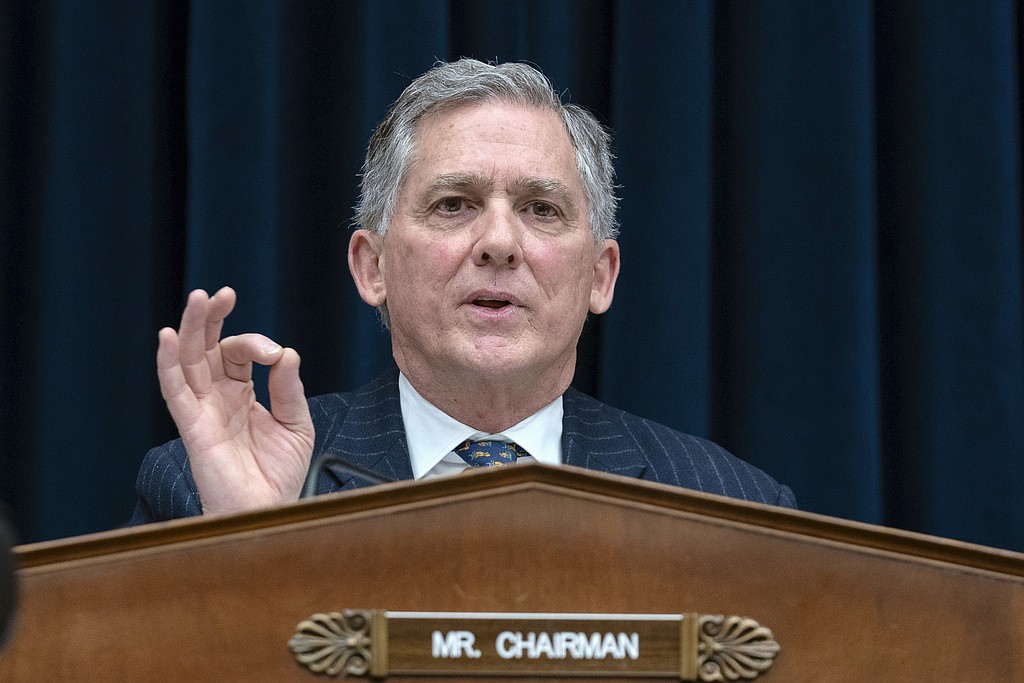
House Financial Services Chair French Hill has introduced the “Main Street Capital Access Act,” a Republican community‑banking package that would ease some capital requirements and tailor risk rules for smaller banks. The bill is framed as a way to spur new community bank formation and expand credit access for households and small businesses.
What the bill is
-
The proposal is called the Main Street Capital Access Act (H.R. 6955), a community banking package led by Chairman French Hill (R‑Ark.) and Financial Institutions Subcommittee Chair Andy Barr (R‑Ky.).
-
It bundles multiple previously floated regulatory relief ideas aimed at community and smaller regional banks rather than large, systemically important firms.
Capital requirement changes
-
For newly chartered (“de novo”) banks, the bill would create a three‑year phase‑in period to meet full federal capital requirements, easing the initial burden of capitalization.
-
It would lower the Community Bank Leverage Ratio (CBLR) for qualifying rural community banks to 7.5% or the generally applicable CBLR, whichever is lower, during the first three years, and directs agencies to further reduce the CBLR in the first two years.
Risk and supervisory tailoring
-
Banking agencies would be required to explicitly consider a bank’s risk profile and business model when writing new regulations and making supervisory decisions, pushing more “tailored” oversight instead of one‑size‑fits‑all rules.
-
The bill also calls for adjustments to regulatory thresholds, which can determine when more stringent prudential, reporting, or governance requirements apply to an institution.
Deposit and funding rule changes
-
The measure would modify how much of a bank’s reciprocal deposits are excluded from being treated as brokered deposits, using a graduated scale tied to the bank’s total liabilities.
-
It would declare that certain custodial deposits are not brokered deposits if they stay below 20% of the bank’s total liabilities and the bank has under 10 billion dollars in assets.
Process and merger timelines
-
Agencies would have 30 days to tell banks whether merger or acquisition applications are complete, and would have to issue final decisions within 90 days of the initial submission.
-
Hill and Barr present these timelines as giving community banks more predictable, faster regulatory processing for transactions needed to stay competitive.
Upcoming Events
 The exchange for the debt economy