
 The exchange for the debt economy
 RMAi-Certified Debt Buyer
Source: site
The Financial Services Commission said on the 28th that it will shift purchased receivables collection from the current registration system to a licensing regime. It said the registration system, which in practice imposes no real entry barriers for purchased receivables collection, has structural vulnerabilities in protecting debtors.
Licensing requirements include at least 50% investment by a financial company and paid-in capital of at least 3 billion won, as well as a sound and viable business plan; major shareholder qualifications such as sufficient investment capacity, sound financials, and social credibility; and ensured expertise. Reflecting the business’s nature of collecting on a company’s own claims, human and physical requirements will also be strengthened, including securing at least 20 full-time employees, including professionals, and establishing IT security systems to protect sensitive information.
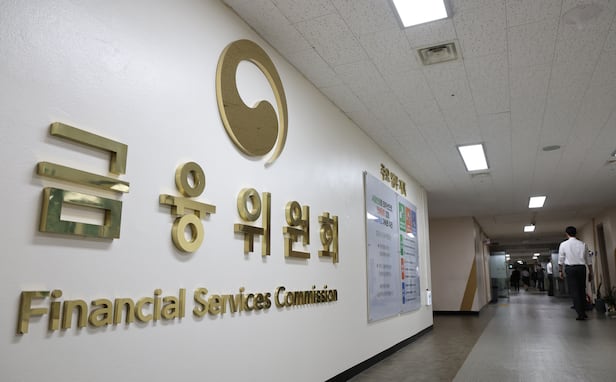
To prevent conflicts of interest with debtors, the Financial Services Commission (FSC) will ban concurrent lending and loan brokerage and allow only ancillary businesses that use professional expertise, such as nonperforming loan (NPL) securitization, or are essential to operating purchased receivables collection. Permitted ancillary businesses include preservation and collection of acquired nonperforming loans and investigations of debt-related parties, acquisition of collateral real estate, and acquisition of equity resulting from debt-for-equity swaps of nonperforming loans.
To promote specialization of purchased receivables collectors and embed debtor protection, the government plans to refine the regulatory framework so that not only relevant laws such as the Debt Collection Act and the Individual Debtor Protection Act are observed, but also that the debt collection guidelines are reflected in day-to-day operations.
Existing purchased receivables collectors will be granted a three-year grace period to obtain a license. If the current registration validity expires during the grace period, it may be renewed once, and the renewal will only be recognized through the end of the grace period. However, if an existing operator fails to obtain a license within the transition period, its arrears claims must be sold to another financial company or purchased receivables collector within six months after the grace period ends.
The Financial Services Commission (FSC) also announced the composition and operating direction of the inclusive finance strategy task force the same day. The task force will be established under the current “Inclusive Finance Grand Transition Meeting” framework and operated through four divisions: supervision oversight, policy finance for low-income groups, financial industry, and credit infrastructure. Each division will examine structural causes of financial exclusion from various angles—such as financial companies’ public roles, institutional and structural constraints, credit infrastructure, and prudential supervision—and identify lasting tasks for institutional improvements.
The supervision oversight division will work on governance, including designating a chief inclusive finance officer (CIFO) within financial companies, and will review norms and philosophy across the financial system. The policy finance for low-income groups division will reassess the overall policy finance system from a new perspective and discuss building a comprehensive evaluation framework to embed inclusive finance within the financial system, as well as integrated support models spanning finance, employment, and welfare.
The financial industry division will review prudential regulations across the board and discuss ways to strengthen the inclusive finance role of internet-only banks and mutual finance institutions. In particular, in light of criticism that the supervisory framework, shaped around prudential soundness after the IMF foreign exchange crisis and the credit card crisis, has unintentionally expanded financial exclusion, it will also revisit the philosophy and design principles of regulation.
The credit infrastructure division plans to revise standards for using arrears information and establish a framework for using nonfinancial information so that credit assessments reflect current repayment capacity and willingness more accurately, rather than dwelling on past histories.
The Financial Services Commission (FSC) plans to involve a broad range of participants in operating the task force, including not only related agencies such as the Financial Supervisory Service and the Korea INclusive Finance Agency (KINFA) and policy research institutes, but also academia, civic groups, outside experts, and field practitioners. It said that, in particular, by involving civic groups and outside experts from the task identification stage, it will raise public and market acceptance of policies, reassess the inertia of the existing financial system, and craft fundamental and forward-looking solutions.
The task force will also disclose the issues discussed, differing views, and the next meeting’s topics after each meeting to enhance transparency in policy discussions and public interest. The Financial Services Commission (FSC) will fully launch the task force starting with a field town hall next month and announce mature tasks in sequence.
Upcoming Events
No posts found.
 RMAi-Certified Debt Buyer