
 The exchange for the debt economy

Source: site
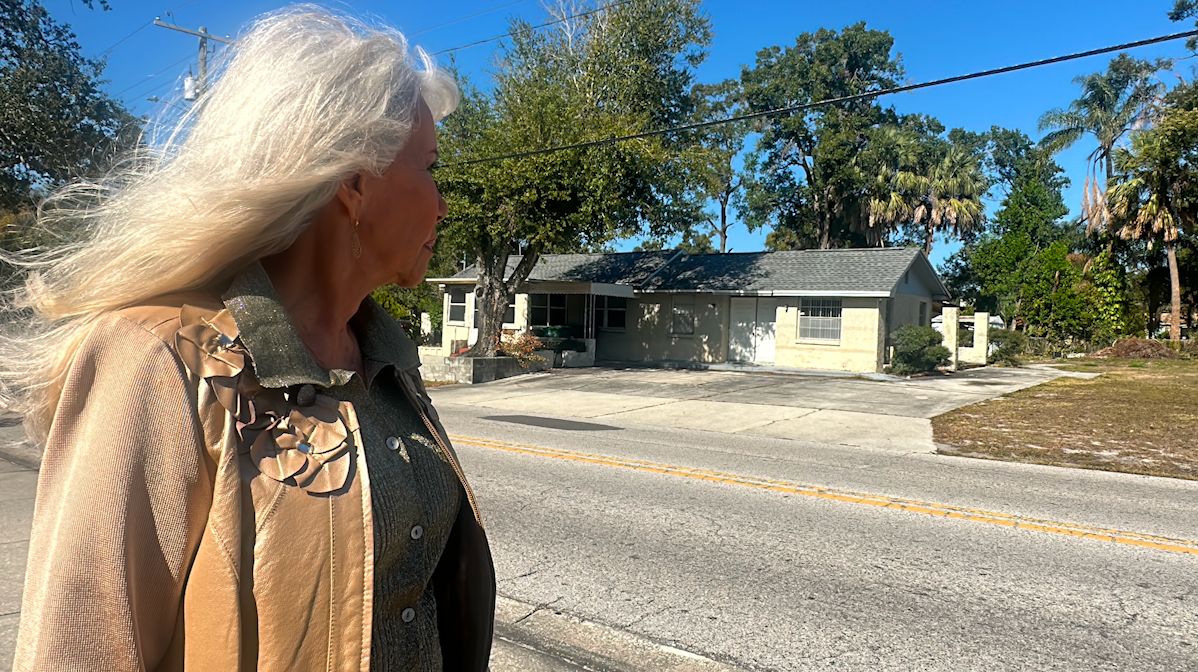
TAMPA, Fla. — Tampa now leads all major U.S. metropolitan areas in foreclosure activity, with Florida ranking No. 1 nationwide.
According to Realtor.com, Tampa now leads all major U.S. metropolitan areas in foreclosure activity, with Florida ranking No. 1 nationwide. The surge marks levels not seen since the 2008 housing collapse — but experts stress that this time, the crisis looks different.
Sylvia Alvarez knows those numbers all too well.
“I really don’t think it’s going to be as bad as it was the last time,” Alvarez said.
Alvarez is the CEO of the Housing Education Alliance. She also lived through the last financial crash firsthand, losing her home after the 2008 housing crisis. But today’s rising foreclosure numbers, she says, are stirring painful memories.
“The economy just really tanked, and people were losing jobs,” Alvarez said.
Financial experts say the previous crisis was driven by risky subprime loans, lax lending standards, and a deeply flawed financial system.
“Bad things were going on at the time,” Alvarez said.
This time, the causes are different — but still deeply concerning.
Alvarez says her agency is seeing a sharp increase in distress calls from homeowners who are falling behind, not because of adjustable-rate mortgages, but because of mounting household costs.
“I thought we would never see something like this again, but it’s coming,” she said. “And I can tell because of the calls that we are getting. People are reaching out — they are desperate.”
Most homeowners today have fixed-rate mortgages and more equity than they did before the 2008 crash. However, experts say that cushion can quickly erode as insurance premiums soar, property taxes rise and repair costs climb.
From the street, many homes appear stable. But for a growing number of families, that sense of security is slipping.
Alvarez understands the consequences of foreclosure personally. She says that losing her home more than a decade ago remains a defining experience.
“This was a home that my husband and I were going to retire in,” she said. “It was a small house, and it was perfect, and it was beautiful. Then having to lose it — and what was so frustrating is that we could have afforded a smaller mortgage, but the bank chose to sell the house to an investor.”
Another key difference today, Alvarez says, is the lack of safety nets. Unlike during the pandemic, there are fewer forbearance options and fewer federal programs to help homeowners before it’s too late.
On the national stage, Federal Reserve Chair Jerome Powell has warned that relief may not come quickly.
“Housing supply is low,” Powell said. “Many people have very, very low-rate mortgages from the pandemic period, and it’s made it expensive for them to move.”
Experts say today’s foreclosure pressure is coming from a different direction — but the warning signs feel familiar. Alvarez says the biggest lesson from the last crash is the cost of waiting too long.
“Hopefully, yes, we have learned from this,” she said. “It took almost two or three years until they started coming up with programs — and there are no programs now.”
As high costs, limited housing inventory and fewer relief options collide, housing advocates warn more homeowners could soon find themselves with little room for error.
Upcoming Events
