


 The exchange for the debt economy
Source: site
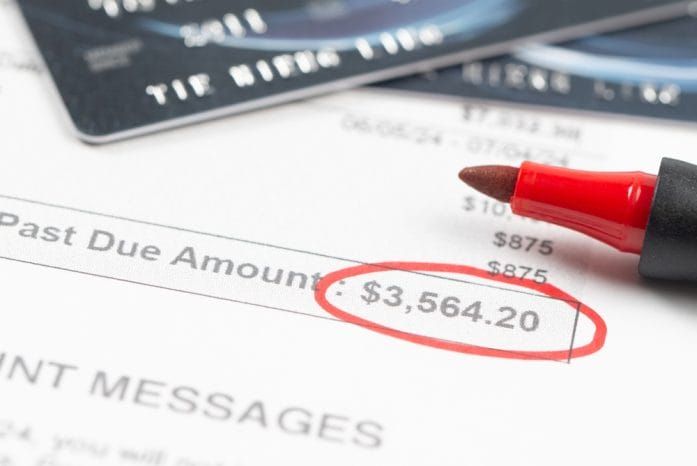
The phrase “48-hour debt collection rule” refers to commentary and speculation about faster account-freezing and enforcement practices, not to a single, named UK statute that lets ordinary consumer lenders automatically freeze your bank account within 48 hours just because you miss a payment in 2026.
What the 48‑hour idea is
-
The “48‑hour debt collection rule” label appears in media and explainer pieces describing how, in some jurisdictions or under some lender policies, an account can be frozen within two days of a default being identified, dramatically shortening the timeline from arrears to enforcement.
-
These pieces describe a trend toward faster use of existing enforcement tools (like court orders and anti‑money‑laundering freezes), rather than a clearly defined, universally applicable UK consumer credit rule called “the 48‑hour rule.”
How accounts are actually frozen in the UK
-
In the UK, a lender normally cannot just click a button and freeze your current account purely on its own say‑so; the main routes are:
-
bank‑initiated freezes after a Suspicious Activity Report under the Proceeds of Crime Act,
-
court‑ordered Third Party Debt Orders for civil debts, and
-
Account Freezing Orders (AFOs) for suspected criminal proceeds.
-
-
AFOs are governed by sections 303Z1–303Z19 of the Proceeds of Crime Act 2002; once an order is made and served on the bank, the bank must immediately block access to the funds, often before the customer has even seen the order.
What is changing around 2025–2026
-
Recent and upcoming UK rules focus more on protecting consumers from arbitrary account closures than on creating a rapid-fire debt-collection freeze power for lenders: new Payment Services and Payment Accounts regulations due in April 2026 will require banks to give 90 days’ notice and explanations for most non‑criminal account closures.
-
For AFOs, the framework remains: agencies like HMRC, police and the NCA can seek orders where there are reasonable grounds to suspect funds are crime proceeds; the minimum balance threshold increased from £1,000 to £3,000 in 2025, and orders can still lock an account immediately once granted.
How fast freezes can really happen
-
Where a bank files a Suspicious Activity Report, it can effectively freeze transactions while the National Crime Agency decides whether to object, initially for up to 7 business days, extendable to 42 days without a court AFO; after that, an AFO is needed to keep the freeze going.
-
For ordinary debt (credit cards, loans, etc.), the creditor usually has to obtain a court judgment and then apply for a Third Party Debt Order; the court then directs the bank to freeze and divert funds, a process that typically takes longer than 48 hours from first missed payment, although banks can act very quickly once the formal order is served.
What this means for you in 2026
-
There is no blanket UK law in 2026 that lets all lenders unilaterally freeze your current account within 48 hours just for being late, but enforcement bodies and creditors can still move quickly once legal or investigative triggers are met, and you may only discover this when your card suddenly stops working.
-
If an account is frozen, you generally have rights to: ask the bank in writing why it is restricted, challenge AFOs in court and seek variation orders for living expenses, complain to the Financial Ombudsman about unjustified bank‑initiated freezes, and obtain urgent legal advice where criminal or tax issues are alleged.
Upcoming Events
 The exchange for the debt economy