

 The exchange for the debt economy
Source: site
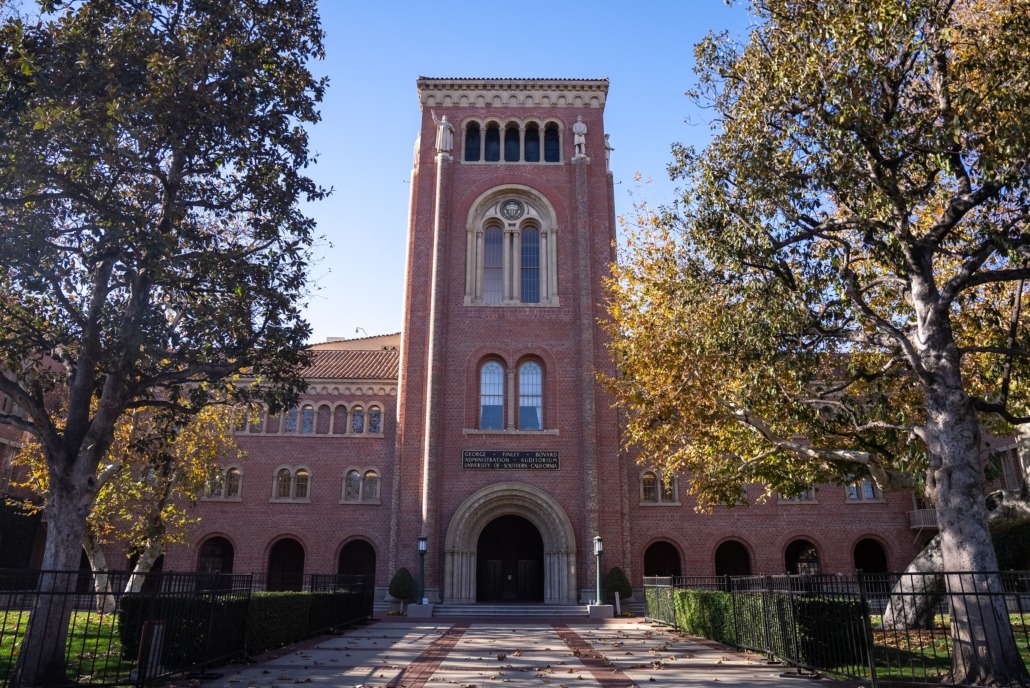
USC agreed to a $2 million settlement in a class-action civil case over the legality of certain late fees charged to students, according to a notice from the settlement agreement in March 2026.
Students enrolled any time between July 14, 2016, and March 4, 2026, who were charged certain late fees, could receive a payout from the settlement if they have not received a full refund or waiver. According to the notice, those impacted may be able to claim up to $225 from the settlement payout.
What happened?
Daily headlines, sent straight to your inbox. Subscribe to our newsletter to keep up with the latest at and around USC.
Prosecution in this case argued that late fees were unlawful penalties that could not be enforced, violating several California civil codes and a California Business and Professions Code. USC denied these allegations, and the court did not rule on the merits of the claims or defenses before the settlement was reached.
The settlement was agreed upon to avoid additional expenses and risks associated with further litigation, and is not an admission of liability by USC.
The settlement still needs to be approved by the court; there will be a fairness hearing July 1 for the court to decide whether to approve it.
What are students’ options?
Students in the class — a group of people who share a common trait or legal status — must file or postmark a valid claim form by Friday to receive a claim payment of 30% of unwaived or unreimbursed late fees, with a maximum claim payment of $225. Students are not guaranteed $225, as each claim payment may be adjusted so the total amount does not exceed $2,000,000.
Students will be able to mark on the claim form how they would like to receive these claim payments. The payments can be received through an adjustment to their USC account balance, an electronic payment to their bank account or with a check.
If a class member still has amounts owed to USC, they will receive their claim payment as a credit to their USC account, regardless of their indicated preferred payment method.
According to the notice of the settlement agreement, it is unclear how long payments will take to be distributed, as there may be appeals that slow the process. The notice said that it may take months or even years for all appeals to be resolved.
All cash awards in check form need to be cashed within 90 days after their issuance, or they will become null and void. Any claim payments not claimed will be given to Scholarship America.
The notice also reported that under the settlement, USC will waive — or decline to assess — 30% of the amount of late fees assessed — or that could have been assessed — during the two-year period after the effective date of the settlement late fee waiver.
If students decide to stay in the class, they give up the right to sue USC in a separate lawsuit related to the claims in this lawsuit.
Students may also opt to do nothing; if they do so, they may still benefit from a late fee waiver, but they will not receive a claim payment. They also forfeit the right to be able to sue or join a new lawsuit against USC about the issues and claims in this lawsuit.
On the other hand, students also had the option to opt out of the settlement by May 4. If students chose this route, they kept the right to sue USC in a lawsuit related to the claims of this settlement, but gave up the right to a claim payment.
Objections to the settlement can also be made, by either writing to the court or attending the fairness hearing to make an oral objection. Objections had to be filed or postmarked by May 4. Class members who object may still receive a claim payment by submitting a valid claim form.
According to the notice, the attorneys representing the class have not been paid and will ask the court to approve payment of attorneys’ fees and expenses of no more than $1,135,000. The notice added that class representatives will also ask the court to approve an award of $4,000 for each named plaintiff “for their work on behalf of the Class.”
If the court approves these fees and expenses as well as the award, they will not count against the $2,000,000 maximum limit for class-wide claim payments and will be paid separately by USC.
The University did not provide a statement prior to publication.
Class Counsel declined the Daily Trojan’s request to comment.
More information can be found on the settlement website or by contacting Class Counsel.
Upcoming Events
