
 The exchange for the debt economy

Source: site
How a long-ignored part of the member lifecycle is becoming a strategic lever for retention and revenue.
For most fitness operators, collections is the least appealing part of the business.
It’s uncomfortable. It’s time-consuming. And when handled poorly, it can damage member relationships that gyms have worked hard to build. As a result, many operators focus heavily on the first 90 days of the member lifecycle — onboarding, engagement and billing follow-ups — and quietly write off everything that happens after.
That gap is exactly where Aldous & Associates built its business.
Founded 17 years ago by legal professionals — one of whom is also a gym owner — Aldous & Associates wasn’t created to chase unpaid balances. It was created to fix what was broken in fitness collections altogether.
“We saw firsthand that gyms rely heavily on software platforms to manage the first 90 days of the member journey,” says Tyler Rice, co-founder and manager of Aldous & Associates. “But once an account crosses that threshold, there’s often no real solution — no bandwidth, no systems and no partner who truly understands the fitness business.”
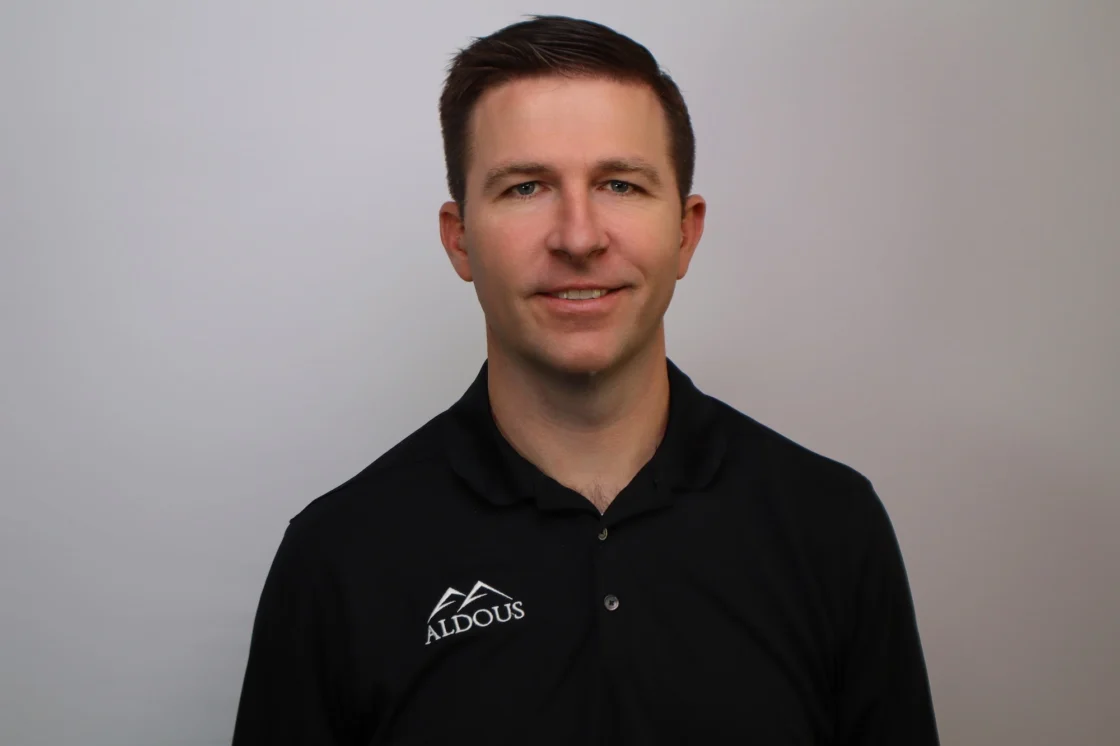
For many operators, this becomes a dead end. The idea of sending members to collections has the potential to raise immediate red flags, and for good reason. Traditional collections agencies can strain relationships, damage trust and reflect poorly on a gym’s brand.
Aldous & Associates was designed as a different kind of solution. The firm operates as a law practice, not a collections agency, and that distinction fundamentally changes the experience. As a law firm, Aldous is held to higher professional standards, governed not only by collections regulations but also by bar associations in every state where it operates.
That legal framework brings structure, accountability and professionalism, and it changes how members respond.
“When the conversation transitions from automated billing attempts or in-gym follow-ups to communication from a law office, it creates a call to action,” Rice explains. “It resets the conversation.”
Just as importantly, Aldous built its policies around the realities of the fitness business. Members can pay digitally, by QR code, over the phone or directly at the gym. They can make partial payments. Gyms can pull accounts out of collections at any time. And there are no punitive fees layered onto balances that would further alienate members.
“Our goal is never to gouge the consumer,” Rice says. “That’s how bridges get burned and that’s the exact opposite of our intentions.”
Collections With a Retention Lens

What truly separates Aldous & Associates is its philosophy: reinstatement matters as much as recovery.
As gym contracts have evolved — moving away from long-term commitments toward month-to-month models — operators care less about squeezing dollars out of former members and more about preserving long-term value.
That shift reshaped how Aldous approaches every interaction.
“Every conversation includes an invitation to come back,” Rice says. “If a member resolves their balance, we ask if they want to reinstate. We tell them the gym misses them. We remind them that their life is better when fitness is part of it.”
The data speaks for itself. Roughly 20% of members who communicate with Aldous express interest in reinstatement, and nearly half of those who resolve balances at the gym ultimately rejoin.
In contrast, relying on hope alone — the idea that avoiding collections protects relationships — performs far worse.
“Gyms that choose not to engage past-due members are leaving four times more money on the table,” Rice says. “And they’re losing members anyway.”
Over the years, Aldous has refined its processes by listening closely to gym operators. Rice says many of its best ideas come directly from clients.
One recent example: frictionless payments.
“A client told us, ‘People just need an easier way to pay,’” he says. “That led to QR codes that let members resolve balances in seconds.”
Another gym in Texas highlighted the need for Spanish-language support. Aldous implemented a fully bilingual system, from digital prompts to a native Spanish-speaking call center, dramatically increasing engagement and resolution rates in markets many vendors overlook.
“These details matter,” says Rice. “If you want people to respond, you have to meet them where they are.”
Unlike many vendors, Aldous gives gyms full transparency into performance and outcomes. Clients can access dashboards showing historical trends, aging patterns, reinstatement rates and payment behavior, all of which inform better operational decisions.
“That data becomes incredibly valuable over time,” Rice explains. “Gyms can see seasonal patterns, identify where friction occurs and adjust strategy accordingly.”
The firm is now layering AI into that data ecosystem, analyzing message timing, subject lines, communication channels and response behavior to improve outcomes without increasing staff workload.
“If someone responds better to text than email, or to certain language over others, our systems learn that,” Rice says. “The goal is smarter engagement, not louder engagement.”
Integrating Where Software Stops

Most fitness software platforms are designed to manage billing and engagement within the first 90 days. After that, the trail often goes cold.
Aldous intentionally built itself as a continuation of that lifecycle, integrating directly with gym management systems and stepping in where automation ends.
“We don’t replace software,” Rice says. “We extend it.”
That integration requires constant attention and investment, including monthly calls with software partners, development, ongoing testing and proactive updates to ensure nothing breaks. For gyms, that means one less backend process to manage.
“The gym shouldn’t have to babysit collections,” Rice says. “That’s our job.”
The firm believes collections doesn’t have to be adversarial, but it does have to be accountable.
To that end, every call is recorded and weekly auditing is in place. Clients can review interactions at any time. Collectors are trained specifically for the fitness industry and evaluated monthly.
“We’re proud of the experience we create,” Rice says. “It’s one a gym would stand behind.”
That approach has helped win over operators who were once deeply skeptical. In one case, a gym group tested Aldous at a single location before expanding across dozens of clubs almost immediately. In another, a small-town operator in Indiana worried about reputation tested the service for a month, and has now been with Aldous for years.
“The fear isn’t unfounded,” Rice acknowledges. “Collections done poorly can be damaging. But done correctly, it’s game changing.”
If Rice could change one mindset across the industry, it would be this: hoping members come back is not a strategy.
“Members are adults. They signed agreements,” he says. “Holding people accountable — professionally and respectfully — doesn’t harm relationships. It often strengthens them if it’s done right.”
More importantly, it gives gyms something most don’t realize they’re missing: recovered revenue, reinstated members and actionable insight into how their business truly operates over time.
“Collections doesn’t have to be ugly,” Rice says. “When it’s built around retention, transparency and respect, it becomes one of the smartest business decisions a gym can make.”
For an industry obsessed with acquisition and onboarding, Aldous & Associates is making a compelling case for looking further down the lifecycle, and reclaiming value that’s been quietly slipping away for years.
Upcoming Events
 The exchange for the debt economy